Acropolis and the Forbidden City
Travel Archive - the world is big
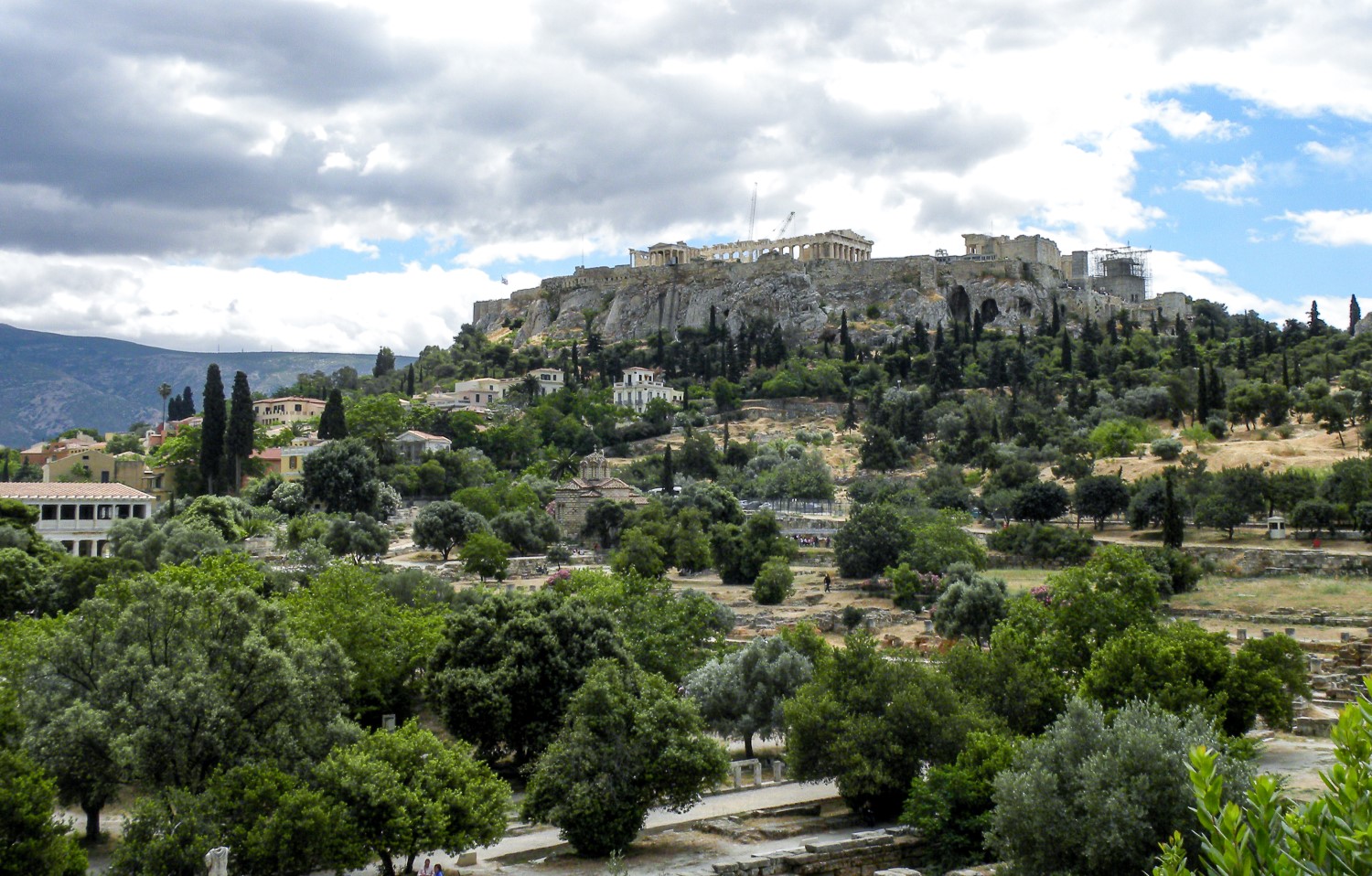
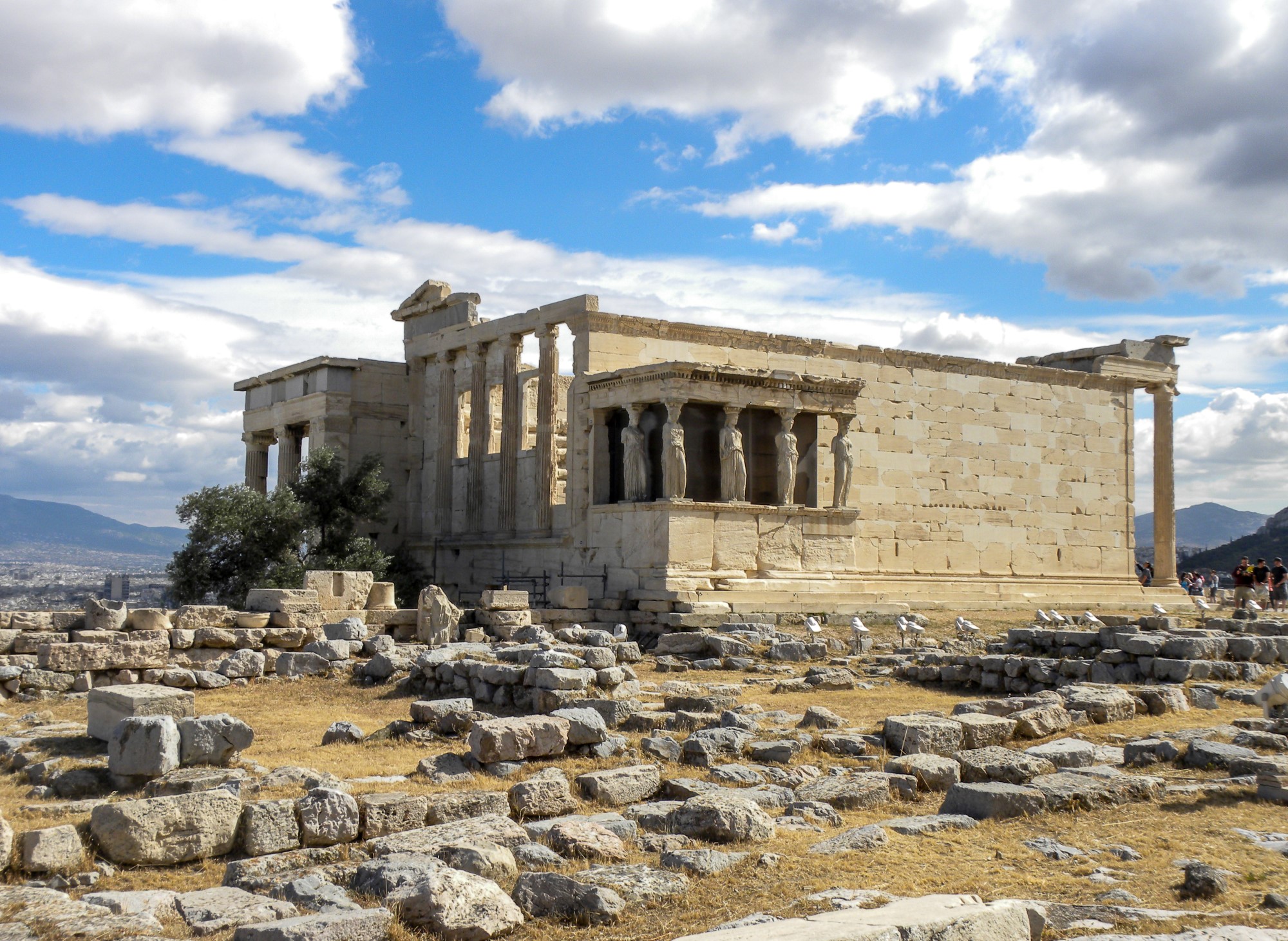
I was in Athens in May 2020. It was the only time I visited Acropolis. I remembered seeing those ancient temple remains located on a rocky outcrop from a distance. I looked up the hill and remembered thinking it was quite a hike to get up there.
Acropolis is a combination of two Greek words “akron” meaning “highest point” and “polis”meaning “city”. Obviously, it’s located at the highest point of Athens.However, the real beauty about Acropolis is that it’s one of the oldest named cities in the world, civilization originated from the fourth millennium BC. I remembered seeing Parthenon under construction, and there was a sign showing that it was built from 447BC to 432BC - too long ago to even imagine! There were construction cranes all around, the local government was trying to restore the temple by attaching new marble stones to the ancient stones to provide structural support. I remembered sitting inside of the remains of Theatre of Dionysos, wondering what show people enjoyed watching 4000 years ago. Like many other ancient cities in the world, Acropolis experienced too many times of prosperity, decline, destruction, recovery, and prosperity again. It’s too hard to save that much in such a long course of history. Whatever has been left by today, it was genuinely beautiful just for the fact it went through thousands of thousands of years. The original stones and other valuable remains were kept for research and study in the Acropolis Museum located on the other slope of the same rock, it’s a modern museum but feels like a time machine when one is surrounded by all the ancient artifacts.
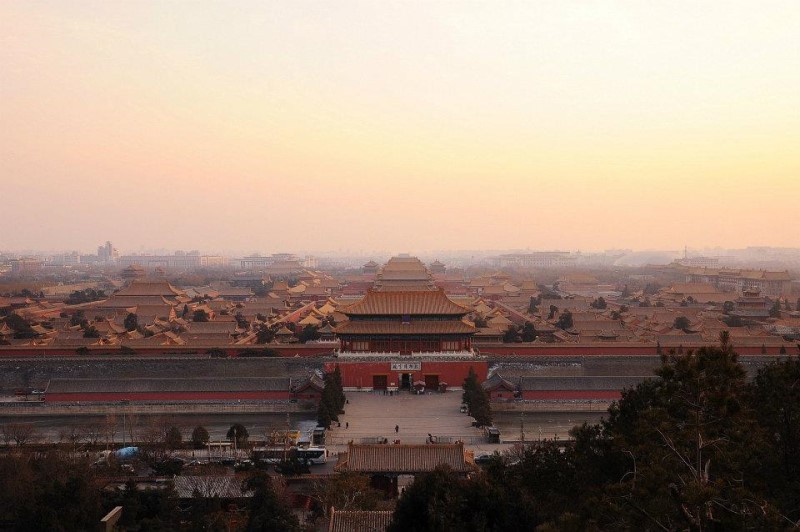
While walking around the Acropolis and respecting the age of the ancient buildings, I couldn’t help thinking about what was happening on the other side of the world in the meantime. It’s about the same time when the first walled city in Beijing was built in about1045 BC (Zhou dynasty in ancient China). Early 1400s, the Forbidden City was built in the heart of Beijing, which is one of the oldest cities in the world with rich history dating back over 3 millennia. Both Acropolis and Forbidden City are the cities in another city, but the latter came 2 thousand years later, perhaps it’s also why it was preserved a lot better.
While Acropolis has the largest collections of ancient temple remains, the Forbidden City is the largest palace in the world still in existence. It’s also the best place to see the heritage of traditional Chinese architecture because it has such a large collection of preserved ancient wooden structure, which developed over millennium in China before spreading out to influence throughout East Asia in 7th century.
The name Forbidden City comes from translation “紫禁城”, I believe there is a misunderstanding in the translation because there was no “forbidden” in the original Chinese name,which simply means “ a city the purple star resides” , In ancient China, “紫” refers to the purple star which is a symbol of the celestial emperor, and “禁” means “ resides” in ancient Chinese, but in modern Chinese, it does have a meaning of “ forbidden”, I think that’s how it was misunderstood.
In my childhood memories, the Forbidden City was commonly called GuGong, which in translation means the “former palace”. Believe it or not, it was more of a place where locals went for a relaxing evening stroll after dinner. I remembered going through the north gate and stroll along the palace and gardens before coming out of one of the side gates where I used to live close by. It was also free of charge for locals. All that was in the old Beijing during 80s. Not long after, the city of Beijing has changed dramatically, it has expanded so much, opened so much, taken in such a large population coming from all places in the world. The Forbidden city, on the other hand, closed its door.
Many years later, I left Beijing, the city where I grew up. But those early memories of evening walks through the Forbidden City during those balmy summer nights were always soft and sweet!