Alaska and Yunnan-Tibet travel
Travel - the world is big
Alaska and Yunnan-Tibet, the wonderful wilderness
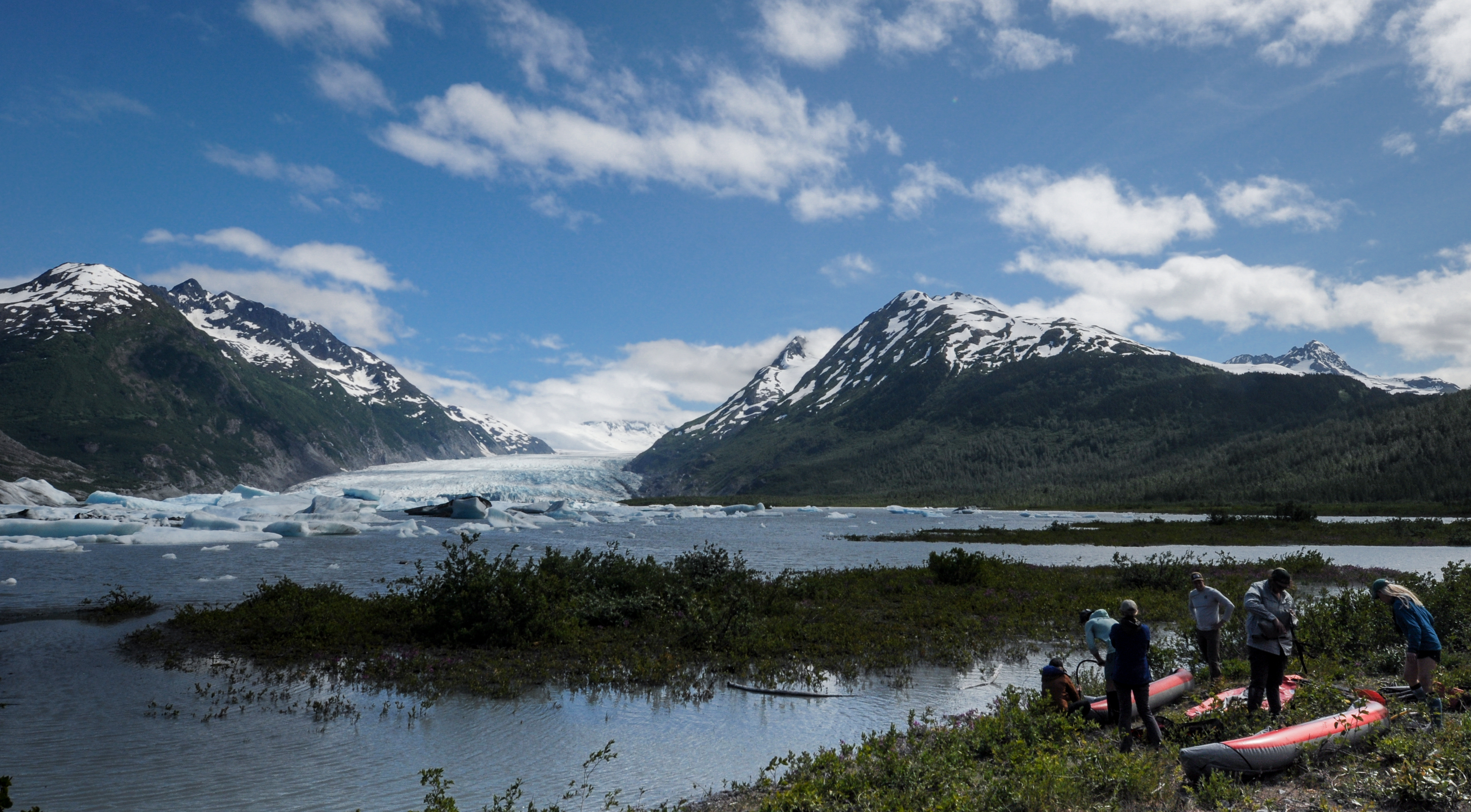
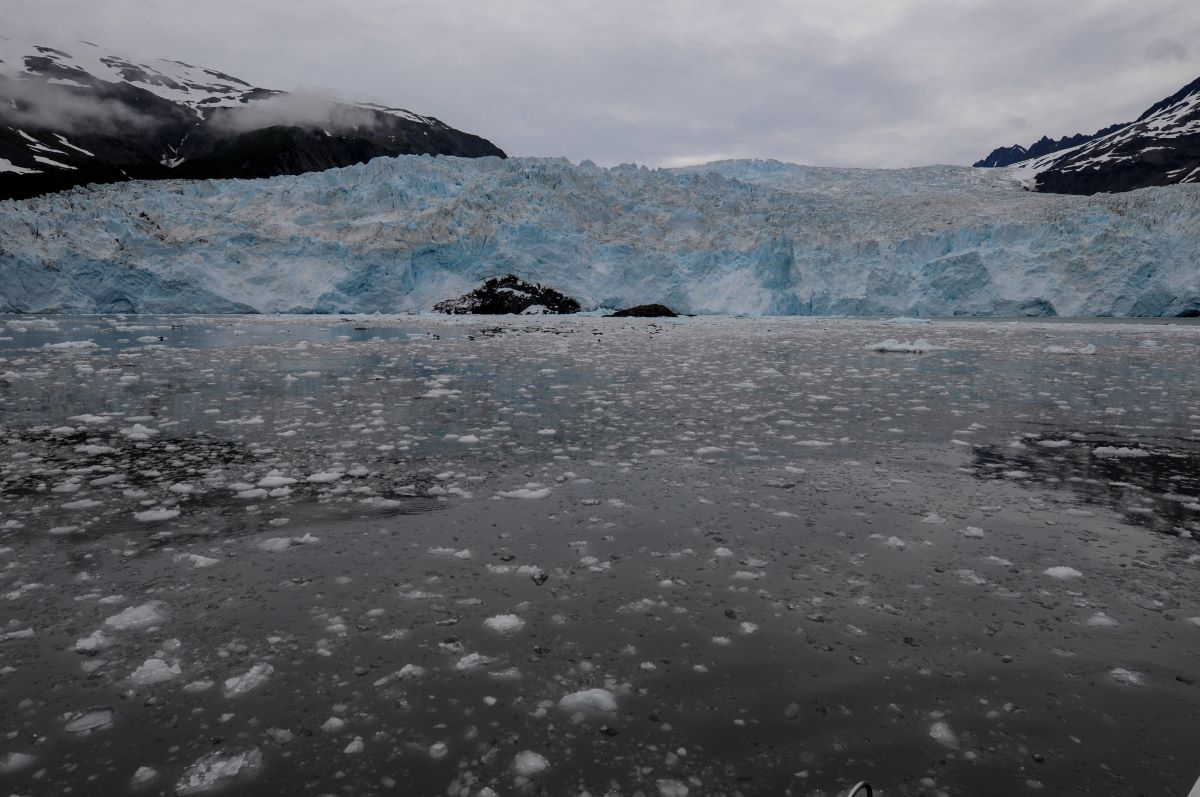
The Alaska trip in 2022 reminded me a lot of the scenery I experienced while backpacking on the Yunnan-Tibet route(滇藏线) in 2008. Mighty snowy mountains, vast expanse of tundra, countless braided rivers, indigenous people, and their historic native cultures. Alaska and Yunnan-Tibet have so much in common, but each has its own unique characters. Many places in Alaska are only accessible with waterway or airway. The proximity to Arctic and vast coverage of frost-white glaciers makes Alaska so mysterious and powerful. You would hear the power of nature when iceberg calving occurs from a distance (ice chunks breaks from the edge), it sounds like a crash of thunder but much louder because you could be just a few hundreds meters away.
Unlike Alaska faced the ocean, Yunnan-Tibet is an uphill 1200-mile long route in the west of mainland China, the whole journey is on the high altitude. The starting point, Kunming, is at 2000 meters(≈7000 feet) which is already considerably high. From there, the route is getting higher each stop all the way to the Tibetan regions which range from 3500 to 4500 meters (12000 to 14000 feet) in elevation, the worst challenge on that route was not the constant uphill part, it was the altitude sickness caused by reduced oxygen and change of air pressure. However, because of the extreme elevation,the route covers the lushest scenery and best-preserved traditional cities. 14 years later, the time spent in Alaska reminded me all the wonder experienced on that route, but not always the same.
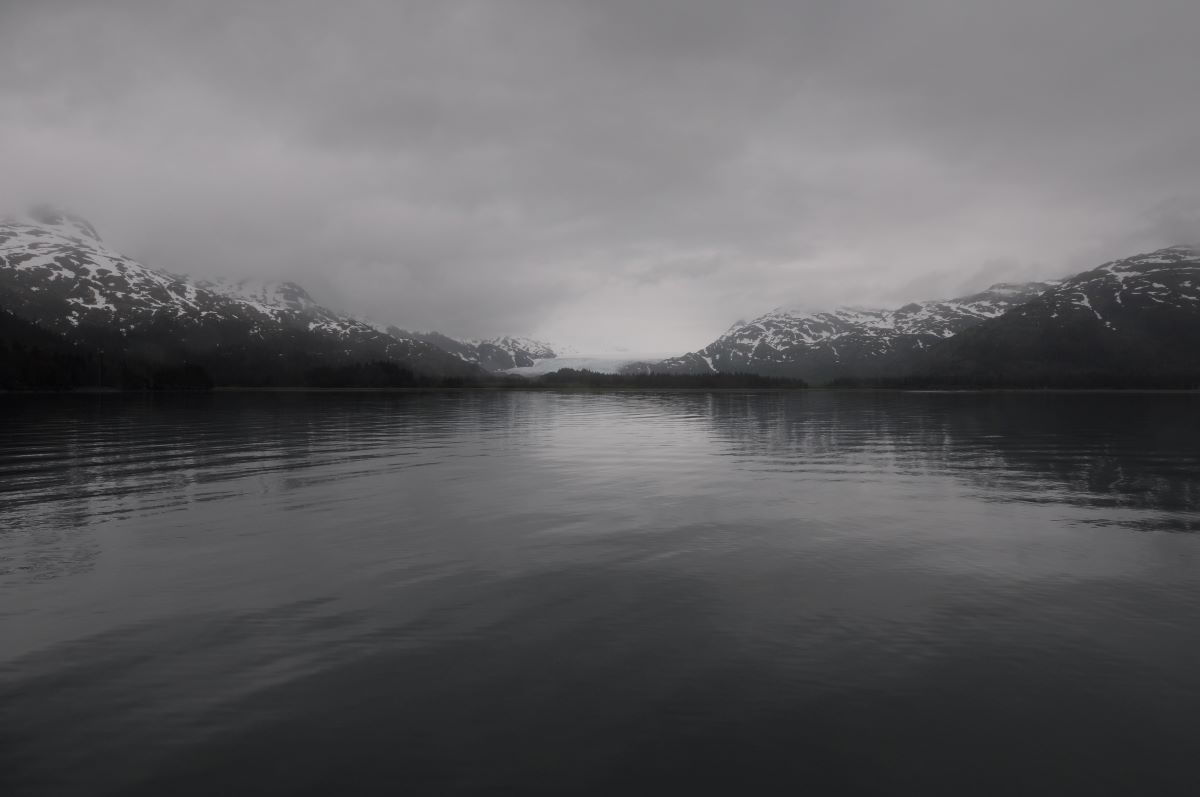
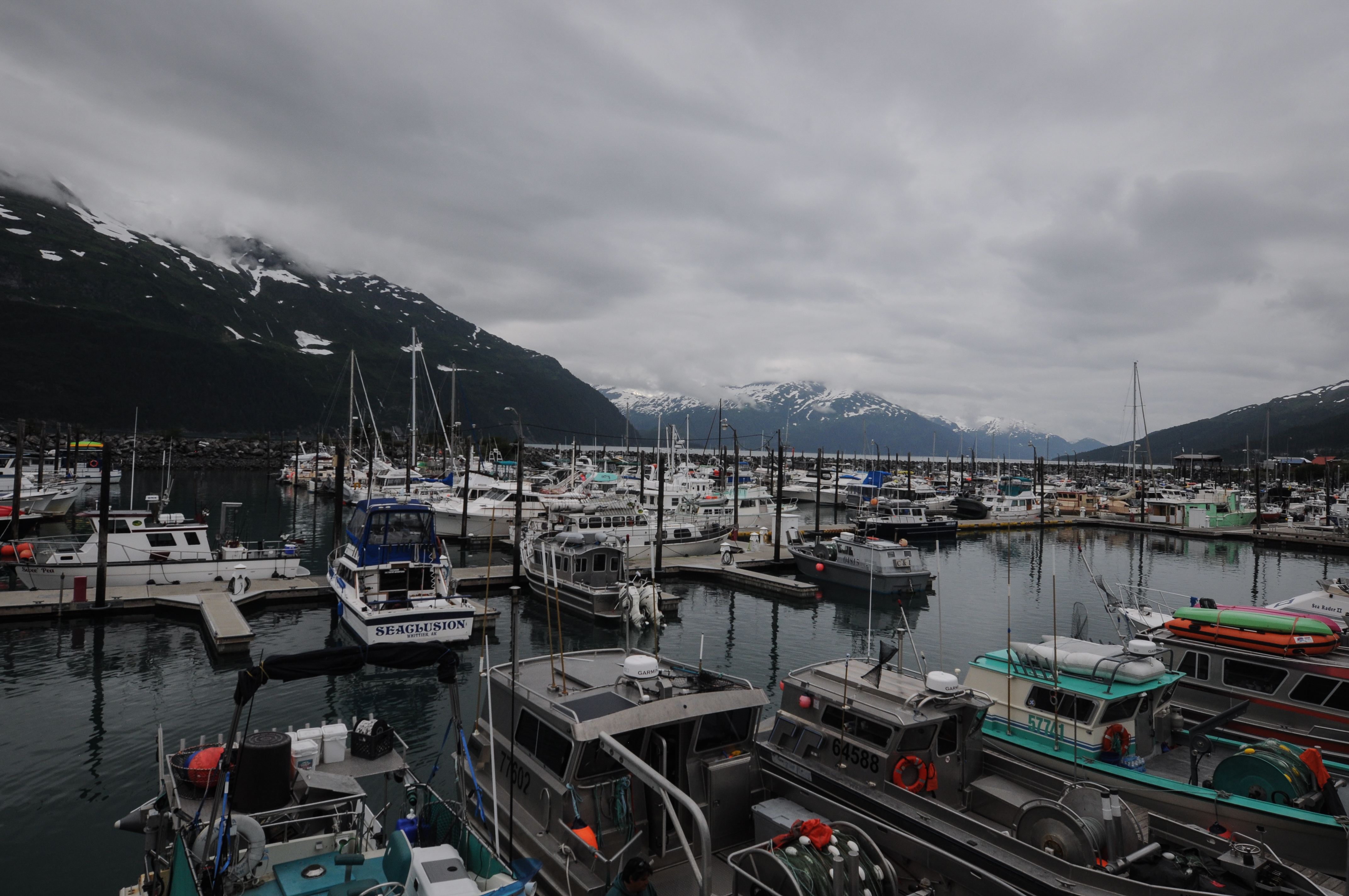
Prince William Sound and Whittier - the sound appears so elegant and wild! It can be accessed through 3 major ports. We accessed the sound through Whittier which is a peaceful, odd, eerie, and gorgeous tiny town born in WWII after the Pearl Harbor attack. It’s a bizarre outpost built as a secret military installation. After military pulled out in 1960s, the buildings had fallen into despair,ruined and some of them remain in limbo. In danger of becoming a ghost town, it somehow survived and become a popular cruise ship port. Nowadays Whittier economically relies on fishing and tourism, all of 200 residents live in an incongruous 14-story apartment tower, I spotted a few trailheads near the tower during a morning run, but I was a bit too afraid to go in. Roads are unpaved, dirt and gravel throughout the town. I chose Whittier because it’s an easy drive from Anchorage and a stop of the Alaska Railway. Getting in Whittier involves in driving through a tunnel that was also built for military purposes. Despite how bizarre it is, I found it rather interesting given the history. Besides, it has offered the best experience we had in viewing glaciers!
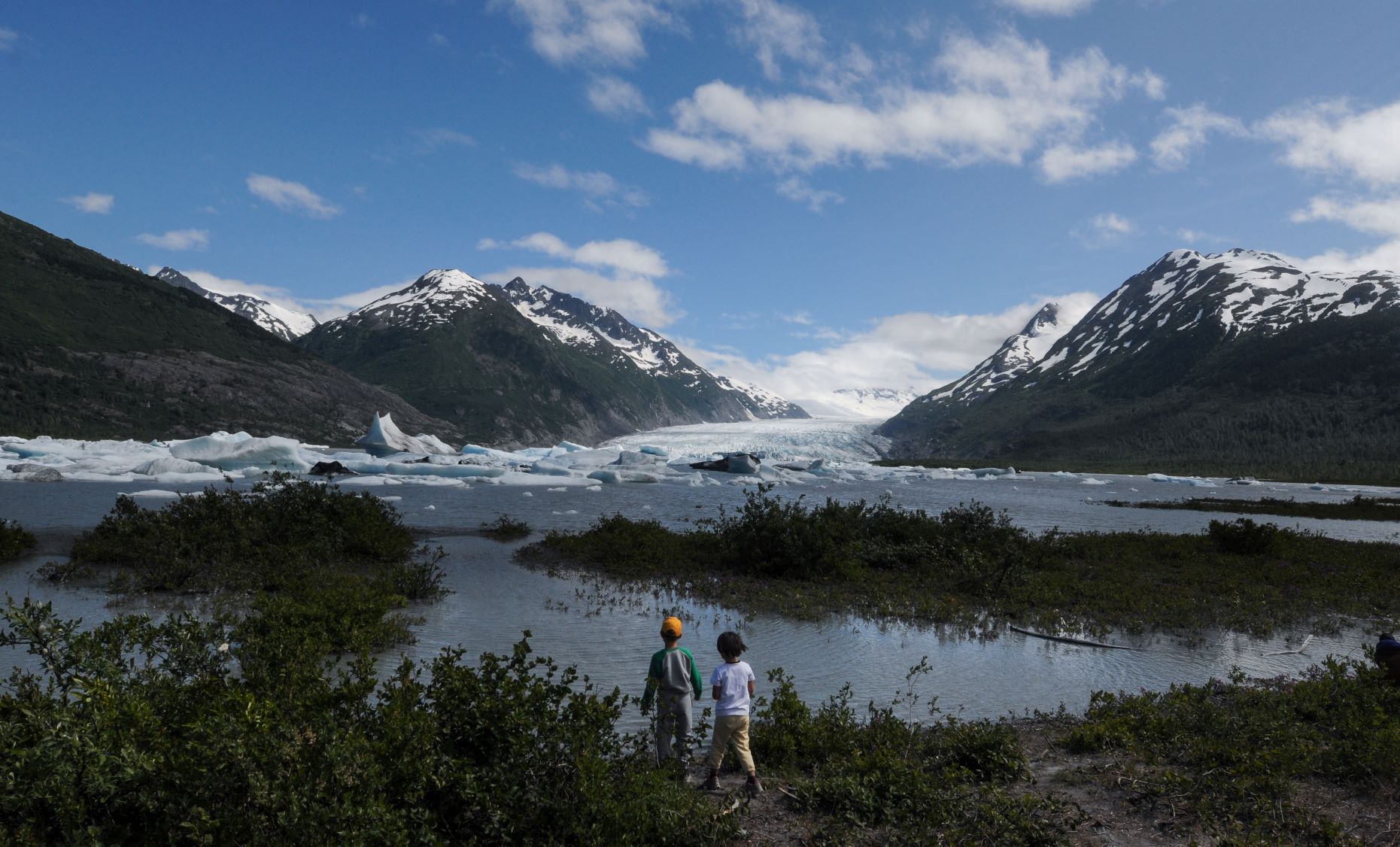
Spencer Whistle is a stop on Glacier View route by Alaska Railroad, only accessible by train or helicopter. It’s one-hour scenic ride from Whittier. Peaceful and remote with spectacular views, the only way to get close to glaciers is by kayaking or hiking. With small children, we turned round after 3 mile hike. It’s a place that I would come back for staying above the glaciers overnight.
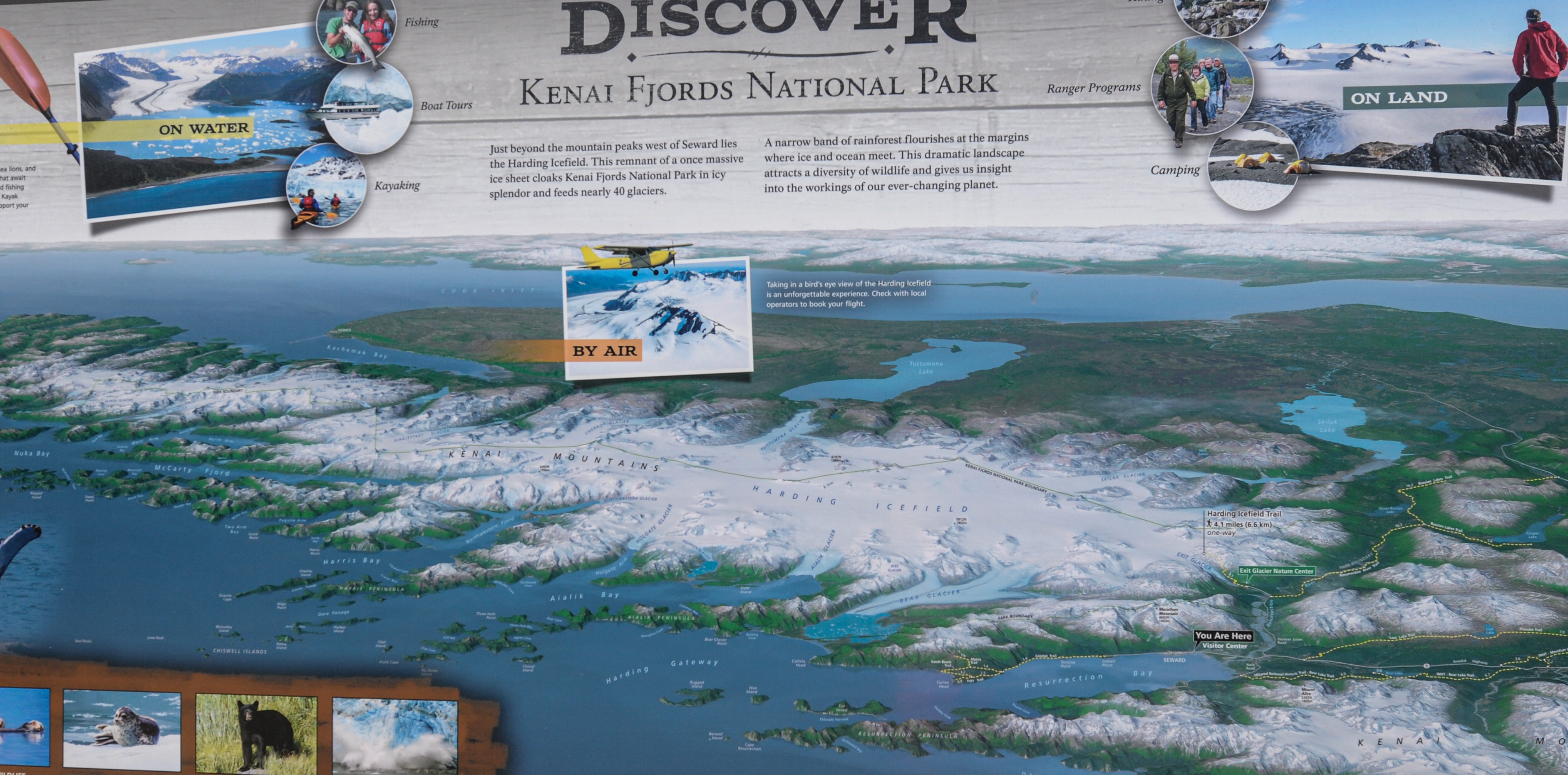
Kenai Fjords National Park – located on Kenai Peninsula southwest of Alaska, one could spend a month in Kenai and still just see a fraction of the region, it is massive! Top pick for lots of explorers and it offers the true wilderness adventure. Kenai is dominated by marine mammals -humpback whales, finback whales, orcas, porpoises, sea otters, seals resting on the ice, bears strolling on the beach. We saw them all in there! City of Seward is the gateway to the Kenai Park and can be easily accessed by boat, road, and rail, very touristy, overly crowded at the harbor and downtown. It is the port where major cruise lines dock and tons of cruise ship passengers flood in town. My first impression about Seward is that it looks like a mini version of Santa Cruz. In comparison with other many other authentic Alaskan towns, Seward is a place to recharge, time to refill groceries, food, gas, tools and everything else.It’s convenience but overall, I feel it’s a bit too “civilized” for Alaska.
Talkeetna – a sleepover town on the way to Denali. By nature, it’s more of a village that has maintained many traditions and things from 100 years ago. It can be very simple, amazing, old school, and artsy. Standing by the river of Talkeetna on a sunny day, you could see the peak of Denali appear above the clouds. The view was surreal!
Lastly, the mighty Denali!
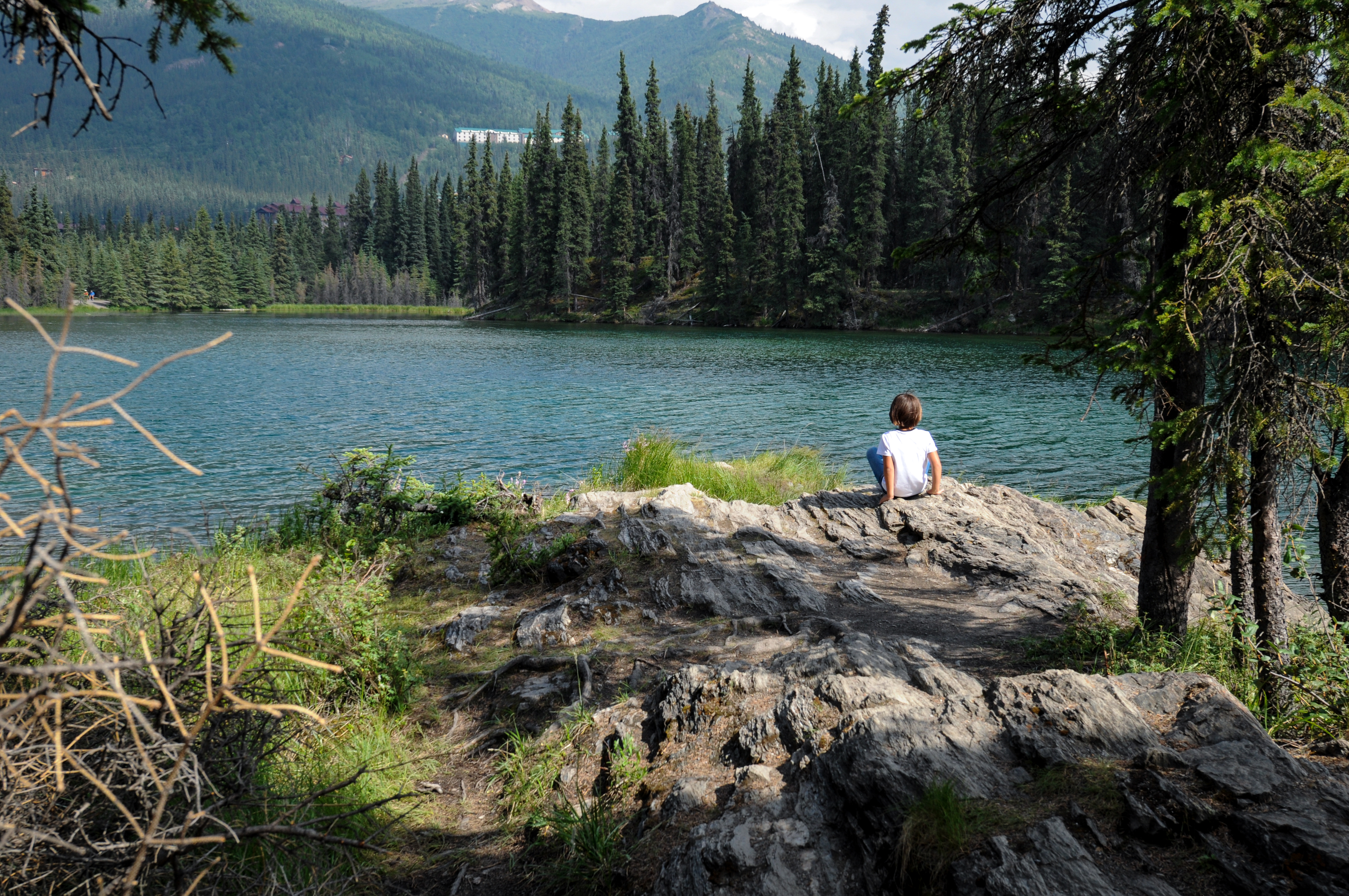
The continent’s highest mountain. Highly popular in the summer for backpacking and camping. It requires 4-6 months to plan and make reservations. I planned only 2 nights at Denali National Park, which I found not realistic only when we got there. For kids, it might be enough, but for Denali itself, it’s not even enough time for a start. Denali, in native language, means “the land”. It’s everything Alaska was meant to be. June is one the best months to view Denali because the tundra comes alive with hundreds of animals, clear sky with the views of Denali mountains. Hunting was never allowed.
There is only one road through the park - the 90 miles unpaved Park Road which is closed to private vehicles after 15 miles. Park shuttle buses are the only transportations to get in further other than hiking and trekking. It’s indeed a place where you bring all your gears and camp out in the wild mountains for as long as you wish, because it’s the only way to fit in and feel the Denali! The clear view of the Denali peak(Mt McKinley) resembles Meili Mountains(梅里雪山) I saw near Tibet, it was also the most magnificent view along the Yunnan-Tibet route.
We couldn’t hike inside too much further during this trip,but it has brought me back the memories of hiking in the wilderness for days and nights at my 20s. I would love visiting this place many times during my lifetime because there is so much more than just the view. It’s a lifetime experience, and the view just happens to be the reward.
We’ll come back whenever everyone is ready. We’ll be back on the road again!